

Buying Direct Reduced Iron from Iran A Practical Guide for Global Steelmakers
Buying Direct Reduced Iron from Iran A Practical Guide for Global Steelmakers
Why direct reduced iron is becoming a strategic raw material
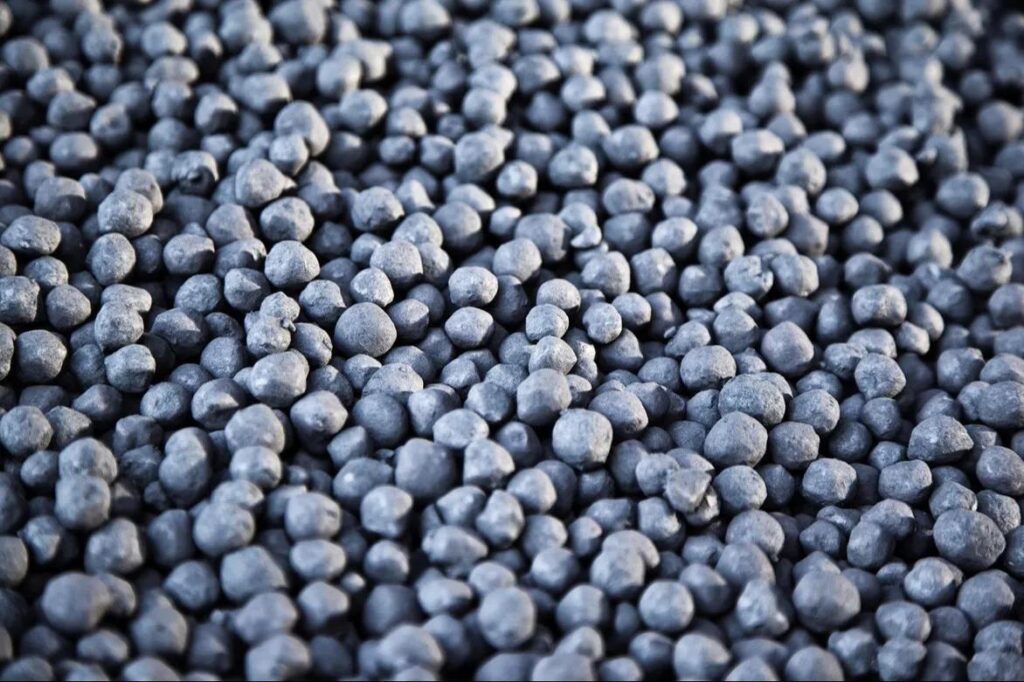
Direct reduced iron, widely called sponge iron or DRI, is no longer only an intermediate product inside an integrated steel plant. It is a strategic metallic for electric arc furnaces, mini-mills and steelmakers that need predictable iron units with lower residuals than many scrap blends. Hot briquetted iron, or HBI, offers a denser and safer form for transport and storage.
Iran is one of the world’s most important DRI-producing countries. Its natural-gas-based shaft furnaces, domestic pellet supply and large EAF steel sector create a deep industrial base. For international buyers, the opportunity is real, but DRI must be purchased as a metallurgical input rather than as a generic bulk commodity. Metallization, total iron, gangue, carbon, fines, moisture, reoxidation and shipping form all affect the result in the furnace.
DRI, sponge iron and HBI explained
DRI is produced when oxygen is removed from iron-ore pellets or lump ore in the solid state, normally with a reducing gas containing hydrogen and carbon monoxide. Because the ore does not melt, the product retains a porous structure and looks like a sponge. HBI is DRI compacted at high temperature into dense briquettes. The briquetting step reduces surface area, improves handling and lowers the risk of reoxidation during long-distance transport.
| Product | Physical form | Best commercial use |
| Cold DRI | Porous pellets or irregular pieces | Nearby EAF plants with controlled handling |
| Hot DRI | Discharged hot from the shaft furnace | Direct charging into a linked EAF |
| HBI | Dense pillow-shaped briquettes | Seaborne trade, stockpiling and long-distance logistics |
| DRI fines | Small particles generated in production or handling | Blending, briquetting or controlled internal use |
DRI and HBI are classified under HS 7203 in many customs systems, but the final tariff line should be confirmed in the destination country. A contract must define whether the material is sold on total tonnes, contained iron tonnes or another agreed basis.Explore our guide to trading steel with Iran to learn more about the country’s steel industry.
How Iranian DRI is made

Iranian plants generally use natural-gas-based direct-reduction technology. Iron-ore pellets are heated in a shaft furnace while reducing gas removes oxygen. The product is then discharged as cold DRI, transferred hot to an EAF, or compacted into HBI. The route is energy intensive, so gas availability, electricity, pellet chemistry and plant operating conditions influence both output and quality.
The buyer should ask which process route and product line will supply the cargo. A producer experienced in domestic hot charging may have limited HBI capability. Another may offer export-grade HBI but not the exact metallization or carbon range needed by a particular furnace. The name of a large steel group is not a substitute for confirming the producing unit.Learn more about steel billets from Iran and their role in steel production.
What the trade and production numbers show
Midrex data reported global DRI production of 135.7 million tonnes in 2023, a record at the time and 6.5 percent above 2022. Regional research from IEEFA estimated MENA production at about 61 million tonnes in 2023, or roughly 45 percent of the global total, with Iran identified as the region’s largest producer. Iranian industry reporting also recorded 18.85 million tonnes of DRI in the first half of the Iranian production year 2023, up 5.8 percent year on year.
Trade data under HS 7203 can understate the strategic scale of Iranian output because a large share is consumed domestically by EAF mills and some transactions are reported under different national subheadings. For an importer, the practical lesson is to use customs data as an orientation, then verify current exportable tonnage, port access and product availability with the producer.
| Market indicator | Reported figure | What it means for a buyer |
| Global DRI production, 2023 | 135.7 million tonnes | A large and growing metallics market |
| MENA DRI production, 2023 | About 61 million tonnes | Strong regional technology and supplier base |
| Iran DRI output, first half of Iranian year 2023 | 18.85 million tonnes | High domestic production scale |
| Common customs heading | HS 7203 | Starting point for classification, not final legal advice |
Explore our guide to buying steel slabs from Iran.
The chemistry that determines furnace performance
The most important commercial indicators are total iron, metallization and gangue. Total iron measures the iron present; metallization measures how much of that iron is in metallic form rather than oxide. A high metallization value generally means more usable metallic iron and lower slag generation, but the correct target depends on the EAF practice and blend.
Request a typical and guaranteed analysis for:
• Total iron and metallic iron
• Metallization percentage
• Carbon content and carbon-to-iron ratio
• Silica, alumina, calcium oxide and magnesium oxide
• Phosphorus and sulfur
• Moisture
• Size distribution and fines percentage
• Bulk density and apparent density for HBI
Chemistry must be linked to the heat or production lot. A single average certificate cannot explain variation across a multi-thousand-tonne shipment. State the guarantee, tolerance, sampling method and price adjustment for off-spec material in the contract.
Why carbon and gangue deserve special attention
Carbon in DRI can support foamy slag practice and reduce the amount of injected carbon required in the EAF. Too little carbon may increase electrical energy or chemical additions; too much can disturb the intended charge balance. Silica and alumina increase slag volume and flux consumption. Phosphorus and sulfur can create downstream quality problems even when total iron looks attractive.
Ask the supplier to provide a material balance or representative test history, not just a marketing range. Your furnace operator can then model the DRI alongside scrap, pig iron and other metallics. A product that is ideal for one EAF may not be optimal for another because furnace size, oxygen practice, slag chemistry and tapping temperature differ.
DRI versus HBI Which form should you import

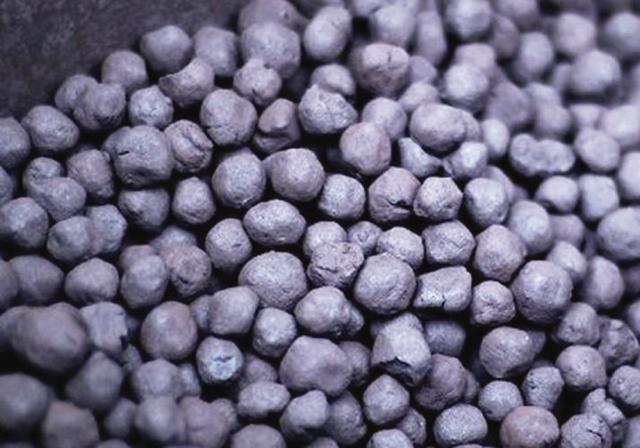
Cold DRI can be economical over short land routes when the receiver has covered storage and rapid consumption. Its porous structure makes it vulnerable to moisture, reoxidation and handling degradation. HBI has higher density, lower surface area and better resistance to weather during a properly controlled voyage. It is usually the more practical choice for seaborne trade or a buyer without a dedicated DRI handling system.
The choice should include:
1. Distance and mode of transport.
2. Storage duration and protection from rain.
3. Unloading equipment and dust controls.
4. Maximum fines accepted by the EAF.
5. Insurance and dangerous-goods procedures.
6. Whether hot charging is available at the destination.
Sampling and inspection before shipment
DRI is not visually qualified. Inspection should cover sampling, laboratory analysis, size distribution, moisture, temperature where relevant, packaging and quantity. The inspection plan should identify the sampling location, number of increments, composite-sample method, laboratory and referee procedure.
For HBI, check briquette dimensions, density, drop resistance, fines generation and metallization. For cold DRI, check pellet integrity, dust, moisture and the proportion below the agreed screen size. Confirm that the certificate heat or lot number appears on shipping documents and that the independent inspector can observe loading.
Agree commercial remedies before loading. They may include price adjustment, replacement, credit, rejection rights or a mutually appointed referee laboratory. A certificate issued after the cargo has been consumed is not a meaningful remedy.

Maritime transport and reoxidation risk
DRI can heat up and reoxidize when exposed to air and moisture. HBI generally offers a more stable transport form, but it still requires a cargo-specific risk assessment, correct trimming and ventilation procedures. The shipper, carrier, insurer and port must agree the applicable maritime rules and cargo declaration before booking.
The purchase contract should define moisture limits, loading temperature, hold cleanliness, ventilation, monitoring, fire response, sampling on arrival and responsibility for cargo deterioration. Never treat DRI as ordinary iron ore fines. The correct handling plan protects the crew, vessel, cargo and insurance cover.
At destination, use covered storage with drainage and stock rotation. Keep lots separate so chemistry and age can be traced. Avoid unnecessary rehandling and reclaim fines in accordance with the EAF operator’s dust and feed policy.
Cost per usable iron unit
Compare DRI and HBI on the basis that matters to the steelmaker: cost per usable metallic iron unit and cost per tonne of liquid steel. Include total iron, metallization, gangue penalty, carbon credit, fines, freight, port handling, insurance, inspection, financing and storage. A lower price per tonne can be unattractive if it contains more gangue or generates excessive fines.
Model the complete charge mix. Compare the imported product with scrap, pig iron and domestic DRI under the same steel grade, yield, electricity and flux assumptions. Use a sensitivity table for freight, energy and steel prices rather than relying on one optimistic scenario.
Import compliance and responsible transaction planning
HS 7203 is a useful starting point for customs classification, but the destination tariff line, duties, licensing and product rules must be confirmed with a customs broker. Check whether the country applies special provisions to DRI, HBI, hazardous cargo, dust or industrial raw materials.
Iran-related transactions can involve sanctions, banking, insurance and vessel-screening restrictions. Screen all parties, banks, carriers, insurers and routes under the laws applicable to your business before signing or paying. OFAC guidance and local professional advice should be reviewed where relevant. IXPORT can support commercial research and supplier documentation; it does not replace legal or sanctions counsel.

How IXPORT helps buyers reach the Iranian DRI market
An overseas steelmaker usually needs more than a supplier name. It needs a producing plant, an exportable volume, a recent analysis, a safe loading route, an acceptable payment structure and a partner who understands the furnace requirement. IXPORT’s NEXUS B2B helps buyers build a focused shortlist of Iranian producers, traders and service companies.
For local communication, supplier qualification, document review or help preparing a realistic enquiry, the IXPORT Iran Gateway offers a practical entry route. Include the required form, annual or spot volume, target total iron and metallization, preferred HBI or DRI format, destination, inspection plan and Incoterm. The better the technical brief, the more useful the supplier response.
Start a DRI or HBI enquiry
Before requesting a price, answer three questions:
• Will the material be hot charged, consumed quickly as cold DRI or stored as HBI?
• What minimum metallization, maximum gangue, carbon range and fines limit will your EAF accept?
• What must be verified before payment: plant identity, test history, loading inspection, vessel suitability or sanctions clearance?
Share those requirements with IXPORT and request a supplier comparison built around your furnace and route. The goal is not simply to locate Iranian sponge iron; it is to create a documented, safe and commercially workable supply chain.
Sources and data notes
1. Midrex global DRI production report summary
2. IEEFA MENA DRI analysis
3. Iranian DRI production report citing ISPA
4. World Steel Association data
5. OFAC Iran sanctions FAQs
6. IXPORT Iran Gateway
7. IXPORT’s NEXUS B2B
Comments