

Buying Steel Sheets and Plates from Iran A Practical Guide for Global Buyers
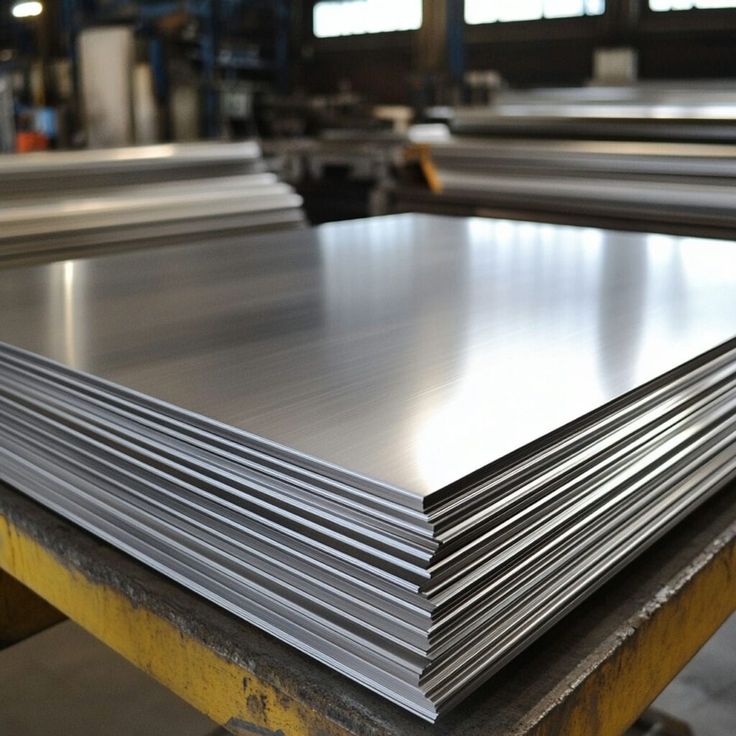
Buying Steel Sheets and Plates from Iran A Practical Guide for Global Buyers
Why flat steel deserves a precise buying brief
Steel sheet and steel plate sit behind thousands of products: pressure vessels, storage tanks, bridges, machinery, pipelines, truck bodies, roofs, appliances and fabricated structures. Yet “steel sheet” is not one product. Thickness, width, grade, rolling route, surface condition, edge, flatness and delivery form all change the value of a shipment.
For a foreign buyer, Iran can be an attractive source of hot-rolled coil, hot-rolled sheet, cold-rolled sheet, galvanized coil, painted sheet and heavy plate. The country has integrated steel production, access to regional markets and established export corridors through the Gulf, the Caucasus, Central Asia and neighboring land borders. This guide explains the product family, Iran’s trade position and the checks that turn a low-price enquiry into a dependable import programme.
Sheet or plate What exactly are you buying
The word sheet usually describes thinner flat products supplied in coils or cut lengths. Plate is generally thicker and more often delivered as individual, cut-to-length pieces. Commercial thresholds differ by standard and mill, so the purchase order should state the exact thickness range rather than rely on a dictionary definition.
| Product family | Typical form | Common applications |
| Hot-rolled coil and sheet | Coil or cut sheet, mill finish or pickled and oiled | Construction, pipes, tanks, machinery and general fabrication |
| Cold-rolled sheet | Bright, smooth coil or sheet | Automotive parts, appliances, cabinets and precision forming |
| Galvanized sheet | Zinc-coated coil or cut sheet | Roofing, ducts, façades, appliances and corrosion-resistant components |
| Pre-painted steel | Organic-coated coil or sheet | Roofing, wall panels, doors and architectural products |
| Heavy plate | Cut-to-length plate | Bridges, pressure equipment, shipbuilding and heavy machinery |
| Quenched and tempered plate | Heat-treated plate | Mining equipment, armor-related industrial applications and high-strength structures |
| Floor plate | Patterned or chequered sheet | Walkways, platforms, stairs and vehicle floors |
Hot-rolled coil is often the starting point for downstream processing. Pickling removes scale and oiling protects the surface. Cold rolling reduces thickness and improves surface finish and dimensional control. Galvanizing adds a zinc layer for corrosion resistance, while painting adds color and an additional barrier. Each route has a different cost, lead time and suitable end use.
Iranian production and commercial grades
Iranian flat steel is produced through integrated and electric-furnace routes, slab casting, reheating, roughing and finishing mills, followed by coiling or cutting. Product availability depends on the mill’s rolling width, thickness capability, heat-treatment line, coating line and export schedule. A supplier may be excellent for hot-rolled coil but unable to produce the surface finish or tight tolerance needed for a visible appliance panel.
International enquiries commonly reference EN 10025 structural grades such as S235JR and S355JR, ASTM A36 and A572 grades, pressure-vessel grades such as ASTM A516, and carbon-steel sheet specifications such as ASTM A1011 or EN 10051. Automotive, appliance and forming applications may need deep-drawing grades with controlled yield strength, r-value and surface quality. Do not accept a local grade as an “equivalent” until the chemical and mechanical requirements have been compared line by line.
For every offer, request thickness, width, coil inner diameter, maximum coil mass, yield strength, tensile strength, elongation, chemistry, surface class, edge condition and dimensional tolerances. If the material will be welded, include carbon equivalent or the welding procedure requirement. If it will be bent, stamped or roll-formed, describe the tooling and minimum bend radius.
What 2023 trade data reveals about Iran’s hot-rolled exports
World Integrated Trade Solution and UN Comtrade data place Iran’s 2023 exports of HS 7208, flat-rolled iron or non-alloy steel at 600 mm or more, hot-rolled and not coated, at US$239.291 million and 390,644 tonnes. The leading destinations were:
| Destination | Export value | Quantity | Approximate customs value |
| United Arab Emirates | US$83.109 million | 135,204 tonnes | US$615/t |
| Iraq | US$72.128 million | 117,008 tonnes | US$616/t |
| Pakistan | US$30.481 million | 50,569 tonnes | US$603/t |
| Afghanistan | US$27.085 million | 44,526 tonnes | US$608/t |
| Tajikistan | US$7.653 million | 12,186 tonnes | US$628/t |
| Georgia | US$4.631 million | 7,643 tonnes | US$606/t |
The close unit values reflect a large regional flow of broadly comparable hot-rolled material, but they are not current offers. Customs averages combine different thicknesses, grades, widths, contracts and freight arrangements. A buyer should use them as a market orientation, then request a mill-specific quotation on an agreed Incoterm.
At the broader HS 72 level, Iran exported US$6.210 billion of iron and steel in 2023. The scale of the sector matters because it supports raw-material availability, rolling expertise, testing capacity and logistics relationships. It does not remove the need to qualify the exact supplier and line.
The specification checklist that protects the buyer
An effective purchase enquiry should answer the following:
1. Product: hot-rolled coil, cold-rolled sheet, galvanized coil, painted coil or plate.
2. Standard and grade: EN, ASTM, JIS, API or the project’s approved specification.
3. Thickness and width: nominal size plus permitted tolerance.
4. Quantity: total tonnes, coil count, target mass per coil and size split.
5. Surface: mill finish, pickled and oiled, bright, galvanized coating mass or paint system.
6. Edge: mill edge or trimmed edge.
7. Mechanical properties: yield, tensile, elongation, impact or forming requirements.
8. Delivery: coil or cut length, maximum piece weight, packing and destination.
9. Documents: mill test certificate, certificate of origin, packing list, invoice and inspection release.
ASTM A6/A6M sets general requirements for rolled structural bars, plates, shapes and sheet piling, including chemical analysis, mechanical tests, marking and identification. For structural plate, the applicable product specification remains essential. For European buyers, EN 10025 provides a family of technical delivery conditions for hot-rolled structural steels. Neither standard should be treated as a generic quality logo; the grade and supplementary requirements must appear in the contract.
Surface quality and dimensional control
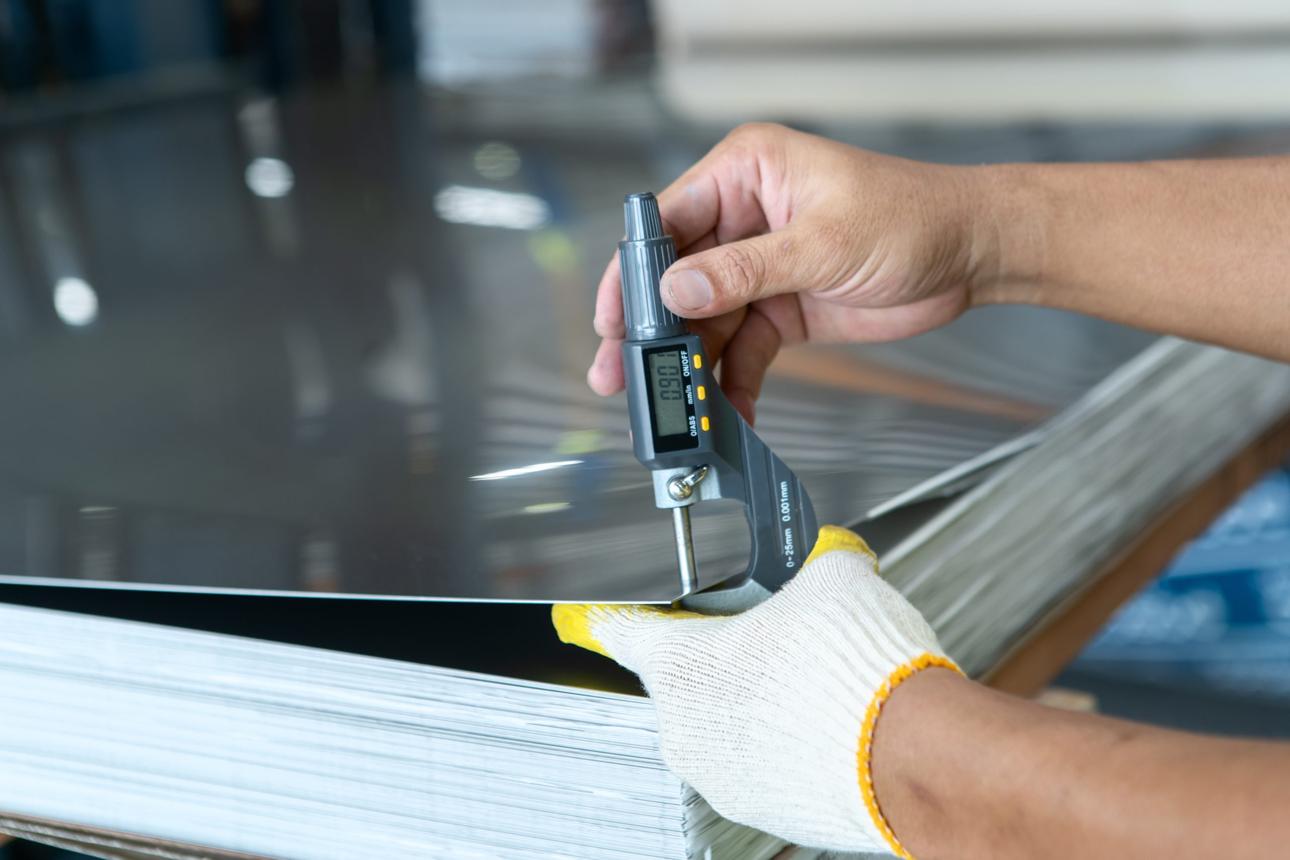
The surface is often where a shipment succeeds or fails. Hot-rolled scale may be acceptable for structural fabrication but unsuitable for painting or exposed architectural work. Pickled and oiled material needs protection from moisture and condensation. Cold-rolled sheet requires careful handling because scratches and pressure marks can be visible after forming. Galvanized and pre-painted products need coating-mass, adhesion, color and gloss requirements.
Ask the supplier to define flatness, crown, wedge, telescopicity, camber, edge wave and coil set. For plate, inspect thickness at agreed locations and check length, width, squareness and flatness. For coil, verify the actual coil ID, OD, mass and winding quality. A mill certificate without dimensional inspection does not prove that the material will run through your line.
Inspection before shipment
A sensible inspection plan combines document review, visual checks, dimensional sampling, chemistry verification and mechanical testing. For pressure equipment, bridges or safety-critical parts, add ultrasonic testing or other non-destructive examination to the agreed standard. Confirm that heat numbers on the coil tags match the test certificates and that the supplier can retain samples.
Third-party inspection should be written into the purchase order. Name the agency, inspection stage, sampling frequency, test laboratory, acceptance criteria and remedy for nonconforming material. Photographs of coils are useful evidence, but they are not a substitute for traceability. Every bundle or coil should be linked to the purchase order, heat, grade, size and packing list.
Packaging shipping and storage
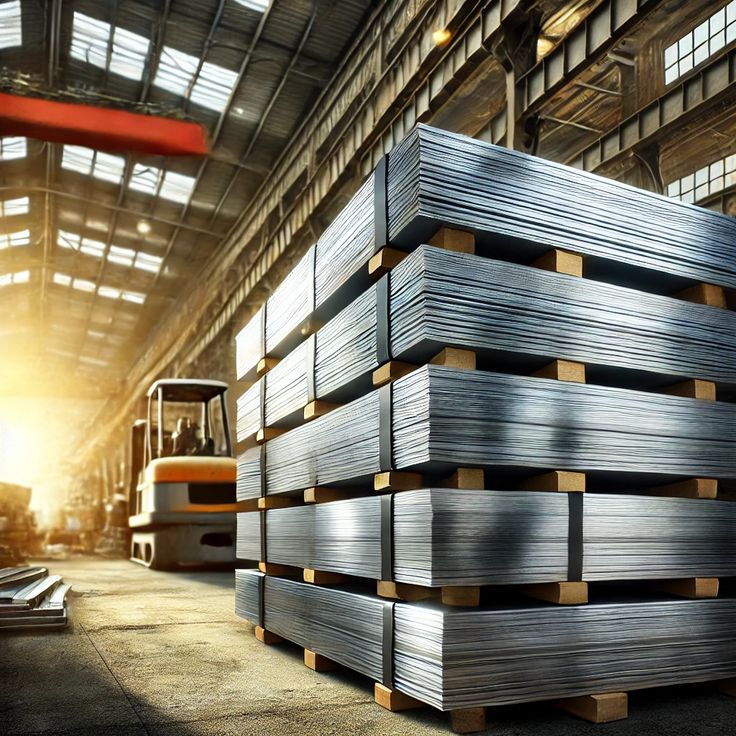
Coils may be supplied eye-to-side or eye-to-sky, with steel wrapping, edge protection, waterproof paper and skids. State the required orientation and lifting method. Cut plate needs separators or robust bundling so edges do not deform. Galvanized and painted products require dry, ventilated storage; trapped water can create white rust or coating damage.
Choose container, breakbulk or conventional vessel transport based on weight, dimensions, port capability and delivery urgency. Confirm payload limits, lashing, loading port, readiness date and demurrage responsibility. Under the chosen Incoterm, define who arranges export clearance, main carriage, insurance, destination handling and unloading.
On arrival, store coils and plates on sound bearers above standing water. Keep different grades and heats separated. Inspect for wet damage before unwrapping the entire lot and notify the carrier and supplier within the contractual claim period.
Compare landed cost rather than headline price
The meaningful number is cost per usable tonne at your facility. Add the mill price, inland haulage, inspection, export documentation, terminal handling, freight, insurance, banking, duties, VAT, customs brokerage, financing, storage and expected slitting or cutting losses. Reconcile theoretical mass with scale mass and confirm whether the offer is based on actual or nominal thickness.
Two offers are not comparable if one is S355 plate and the other is mild structural sheet, or if one includes pickling and oiling while the other does not. A cheaper coil with excessive crown, poor winding or inconsistent chemistry can create more waste than it saves in purchase price.
Import compliance and responsible transaction planning
HS codes 7208, 7209 and 7210 are useful starting points for hot-rolled, cold-rolled and coated flat products, but the final tariff classification depends on the exact product and importing country. Confirm duties, safeguard measures, conformity rules, labelling, anti-dumping exposure and required certificates with your customs broker.
Iran-related transactions can also involve sanctions, banking and insurance restrictions. Screen the supplier, banks, carriers, insurers and routing under the rules applicable to your jurisdiction before signing or paying. OFAC guidance and local professional advice should be reviewed where relevant. IXPORT can support commercial research and supplier documentation; it does not replace legal or sanctions counsel.
How IXPORT turns a broad search into a qualified sourcing process
Many international buyers begin with “Iran steel sheet price” and receive incomplete or conflicting offers. A better approach is to define the application, grade, size, destination and verification needs first. IXPORT’s NEXUS B2B helps buyers identify relevant Iranian producers, traders and service companies and create a focused shortlist.
When a buyer needs local communication, supplier qualification, product verification or help preparing a commercial brief, the IXPORT Iran Gateway provides a practical entry point. Send the destination, product family, thickness and width range, quantity, target delivery date, inspection requirement and preferred Incoterm. A precise brief encourages a precise offer and makes comparison possible.
Start your flat steel enquiry
Before contacting a supplier, decide whether you need a one-off project shipment, regular stock replenishment or a second source for an existing programme. Clarify the standard your engineer accepts and the three defects you cannot tolerate. Then ask for a representative mill certificate, production range, lead time and loading plan.
If you are evaluating Iranian steel sheets or plates, share that information with IXPORT. The objective is not simply to find a low number; it is to build a transparent route from specification to verified supplier, compliant transaction and usable material at destination.
Sources and data notes
1. WITS, Iran exports of HS 7208 in 2023
2. WITS, Iran iron and steel exports HS 72 in 2023
3. ASTM A6/A6M general requirements
4. BSI EN 10025 series
5. OFAC Iran sanctions FAQs
6. IXPORT Iran Gateway
7. IXPORT’s NEXUS B2B
hi