

Trading Steel with Iran: What Buyers Need to Know, from Billet to Coil
Trading Steel with Iran: What Buyers Need to Know, from Billet to Coil
A steel quotation can look straightforward: a grade, a quantity and a price per tonne. The questions usually come afterwards. Will the material suit your production line? Does the certificate cover the actual shipment? And can the seller deliver on the terms you’ve agreed?
If you’re considering importing steel from Iran, those are useful questions to start with. Iran has a substantial iron and steel industry, but finding the right commercial partner means looking beyond national production figures. The details of your order matter just as much.
The same applies if you want to sell into Iran. Your opportunity depends on what a particular customer needs, when they need it and whether you can meet their requirements. Here’s how to approach both sides of the market.
What the numbers tell us about Iran’s steel market
The World Steel Association’s World Steel in Figures 2026 gives a useful calendar-year baseline. All volumes below are in million metric tonnes, abbreviated as Mt. [1]
| Indicator | Period | Reported figure |
| Iranian crude steel production | 2025 | 32.0 Mt |
| Global production ranking | 2025 | 10th |
| Iranian crude steel production | 2024 | 31.4 Mt |
| Direct reduced iron production | 2025 | 37.2 Mt |
| Apparent steel use, finished products | 2025 | 20.3 Mt |
| Steel exports, worldsteel coverage | 2025 | 13.5 Mt |
| Net steel exports | 2025 | 12.0 Mt |
Subtracting net exports from exports gives approximately 1.5 Mt of imports. This is an IXPORT calculation from rounded published figures, rather than a separately reported customs total. The production figures also imply growth of about 1.9% between 2024 and 2025.
Keep the categories separate when comparing reports. DRI is an input into steelmaking, so adding it to crude steel output would double-count part of the chain. Apparent steel use is not a list of outstanding orders, and Iranian-year statistics cover different dates. [1]
There’s a timing issue, too. On 27 April 2026, Reuters reported a suspension of Iranian slab and sheet exports until 30 May following production disruptions. That historical report doesn’t establish which restrictions apply today. Check current availability and export conditions for the specific product before discussing a shipment. [2]
First, identify the product you actually need

“We’re looking for Iranian steel suppliers” opens a conversation. A clear specification makes that conversation productive. Different parts of the steel chain involve different customers, quality checks and shipping requirements.
Iron ore, pellets and steelmaking materials
Ore, concentrate and pellets belong to the ironmaking stage. Direct reduced iron, often called sponge iron, is a metallic feedstock for steelmaking. Pig iron, scrap and ferroalloys have their own roles in meeting furnace and chemistry requirements. [3]
If you’re buying these materials, begin with chemical analysis, particle size, moisture limits and the sampling method. A DRI inquiry should address metallization and carbon content; a scrap inquiry needs an agreed grade and contamination limits. Ask suppliers to confirm what they can provide against your specification.
Freight deserves attention early, especially for DRI. Some forms can react with moisture, releasing heat and hydrogen. The relevant cargo schedule and current maritime requirements govern handling, so confirm acceptance with a suitable carrier before building transport costs into your offer. [4]
Billet, bloom and slab
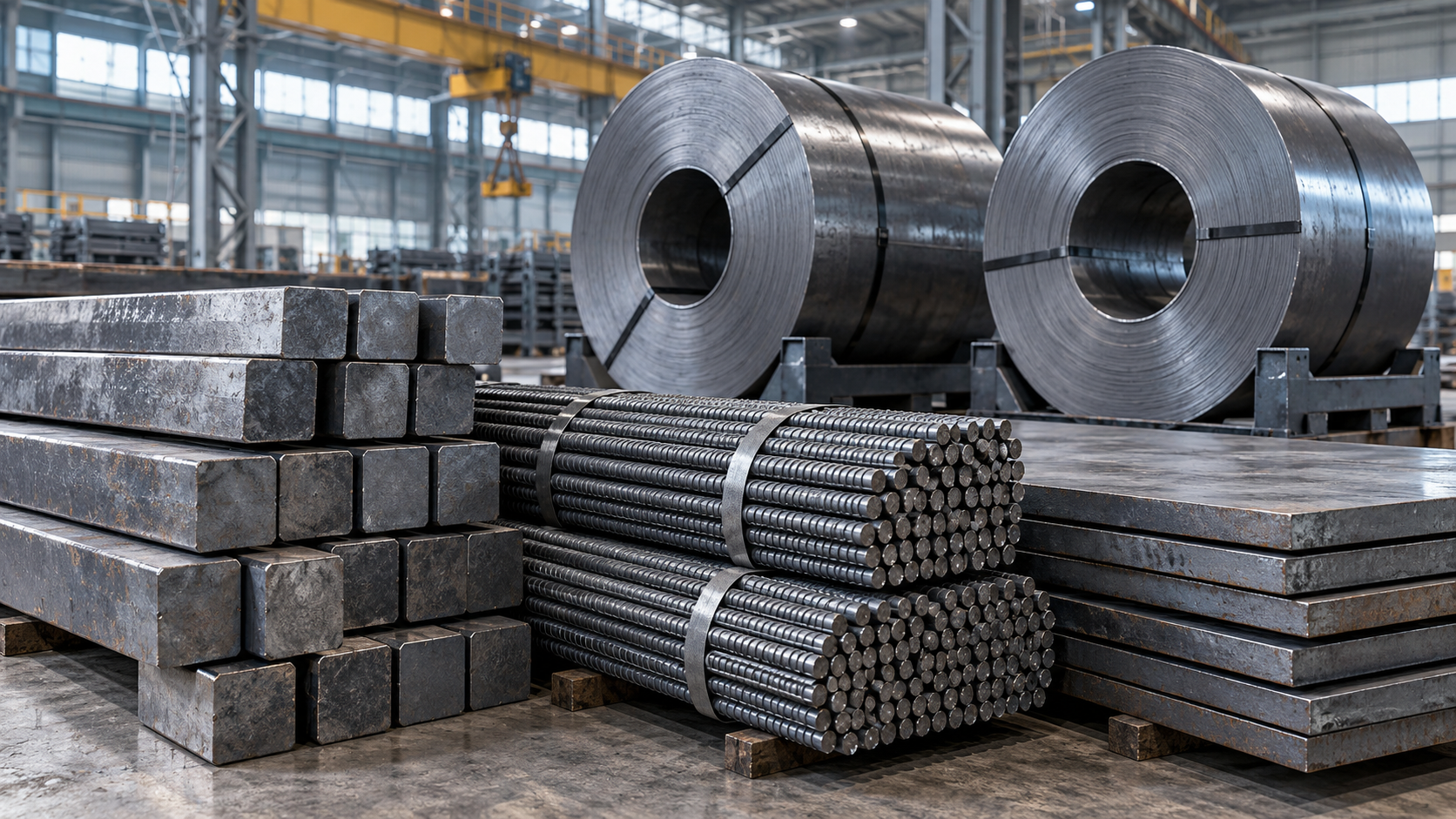
These semi-finished products go on to further processing. Billets feed the production of bars and wire rod, blooms serve larger sections and other applications, and slabs are used to make flat products such as coil and plate. [3]
When discussing steel billet exports from Iran, share the required cross-section, length, chemistry and surface acceptance criteria. Slab buyers should also spell out width, thickness and downstream rolling requirements.
A familiar grade name is only the beginning. If your mill has tight limits on residual elements or surface defects, put those limits in the inquiry. Your production team should be able to review an offer and understand how the material will behave in their process.
Rebar, wire rod and structural sections
Long products include reinforcing bars, merchant bars, wire rod, beams, channels and angles. For a construction distributor, the first question is whether the product meets the requirements of the destination market.
With rebar, that means identifying the standard and edition, grade, diameter, length and required test results. ASTM A615/A615M, for instance, covers carbon-steel reinforcing bars. A supplier’s reference to “ASTM quality” still needs to be supported by the appropriate evidence. [5]
For wire rod, explain how you plan to draw or fabricate it. For beams and other sections, include dimensions and tolerances. If a seller proposes an alternative national grade, have your technical team check the equivalence before accepting it.
Hot-rolled coil, cold-rolled steel and coated products
Flat products need a particularly detailed inquiry. Hot-rolled coil and plate are used in fabrication; cold rolling changes dimensions and surface characteristics, while galvanizing adds a zinc coating. Prepainted products introduce further choices about the coating system and intended environment. [3]
Tell the supplier your required thickness, width, tolerances, coil weight, internal diameter and surface condition. For galvanized material, include the coating designation and mass. For prepainted steel, add the substrate, paint system, colour and exposure conditions.
These details make quotations comparable. They also give a supplier a fair chance to flag a mismatch before either side spends time negotiating price.
Pipes, tubes and specialist steels
Pipe buyers need to distinguish welded from seamless products and structural tubing from material intended for pressure service. Outside diameter and wall thickness are only part of the specification: include grade, manufacturing route, end preparation and testing.
For stainless, tool and other alloy steels, start with the application and work back to chemistry, heat treatment and performance requirements. Iran’s overall production volume won’t tell you whether a particular specialist grade is available. That needs checking with the individual producer or stockholder.
Where does your business fit?
If you’re buying from Iran, anchor your research in an actual requirement. Perhaps you need billet for a rolling mill, approved rebar for distribution, or plate for a fabrication contract. Share the expected consumption, delivery window and destination requirements when you approach suppliers.
If you’re exporting to Iran, start by talking to potential customers about requirements they struggle to fulfil. Specialist grades, unusual dimensions or production inputs may be worth investigating, but they are research leads rather than confirmed shortages.
Three questions can make those conversations more useful: What do you purchase regularly? Where does your current supply fall short? What would you need to approve another supplier? The answers give you something concrete to assess before committing to a market-entry plan.
Get the HS classification right
Product classification connects your specification to customs declarations, tariff checks and trade statistics. These headings provide a starting point; the final code depends on the goods’ exact characteristics. [6]
| Product description | Indicative HS heading |
| Pig iron | 7201 |
| Ferroalloys | 7202 |
| Direct reduced iron products | 7203 |
| Ferrous waste and scrap | 7204 |
| Semi-finished iron or non-alloy steel | 7207 |
| Hot-rolled, uncoated flat products, width at least 600 mm | 7208 |
| Cold-rolled, uncoated flat products, width at least 600 mm | 7209 |
| Clad, plated or coated flat products, width at least 600 mm | 7210 |
| Hot-rolled bars and rods in irregularly wound coils | 7213 |
Ask your customs broker to confirm the full national tariff code, origin treatment and applicable measures before you sign. Stainless and other alloy steels may fall under different headings from comparable non-alloy products. There isn’t one import-duty rate that covers every steel product and destination.
Look closely at the supplier and the shipment
A useful supplier file answers a few basic questions. Who is the legal seller? Where is the material made? Are you buying from the producer, a stockholder or an intermediary? What authority does that company have to offer the goods? Verify ownership information and the proposed payment beneficiary independently.
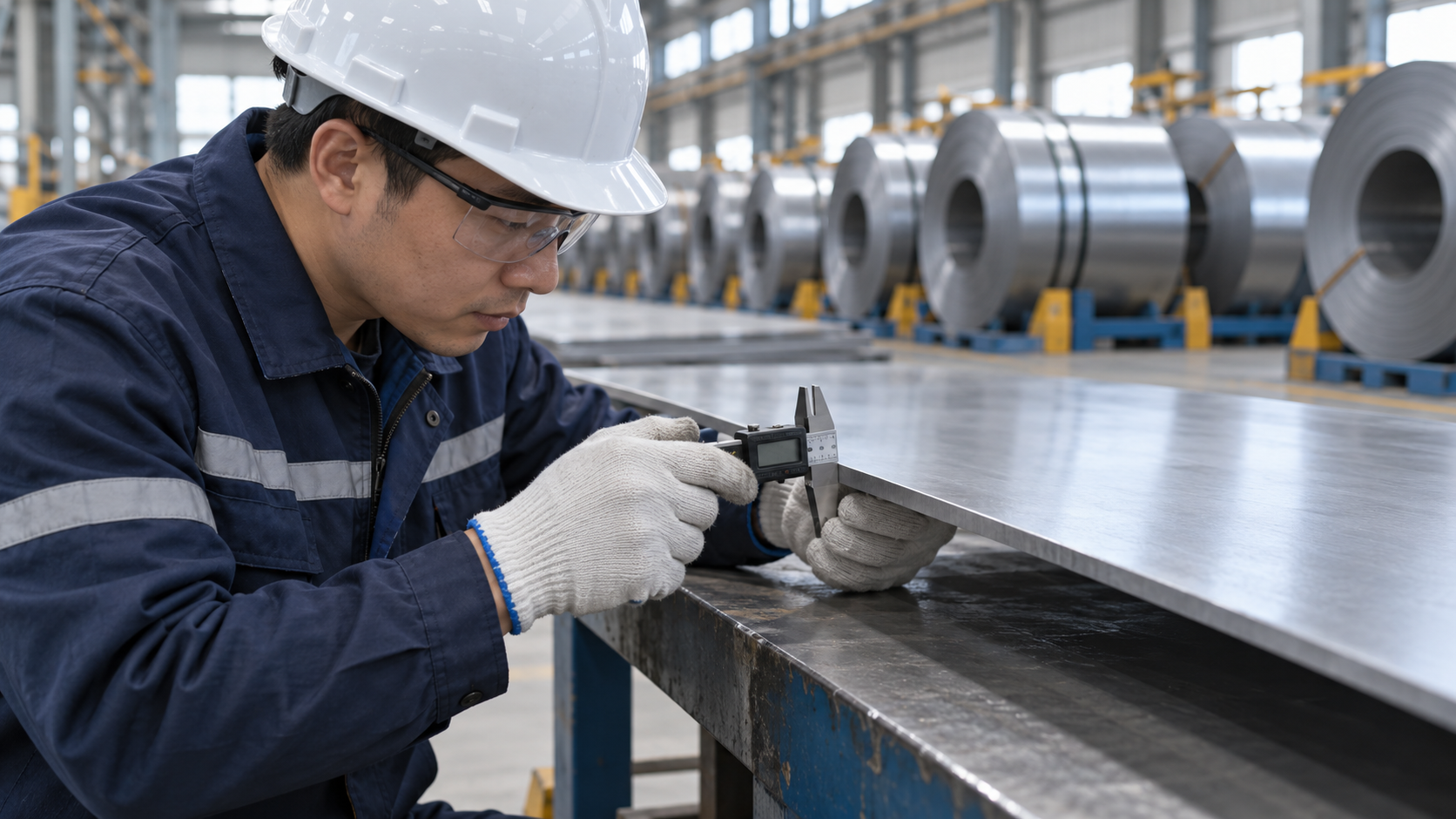
Then follow the material through its documents. The mill test certificate should identify the heat, grade, dimensions and relevant chemical and mechanical results. Those identifiers need to correspond with the bundle tags or coil markings and the shipping paperwork.
Agree on inspection before ordering: what will be sampled, measured or tested, by whom, and against which acceptance limits? Independent inspection may be appropriate. Your contract should also explain what happens if the goods fail inspection, including the evidence and deadlines for a claim.
An ISO management-system certificate has a different purpose from product test evidence. You still need documentation showing that your shipment meets the agreed specification.
Compare the cost of receiving usable steel
Put quotations on the same basis. Account for the material, inland transport, handling, documentation, freight, insurance, destination charges, duties, applicable taxes and final delivery. Check what each seller has already included so you don’t count a charge twice.
The delivery term needs a named place or port and an explicit Incoterms® 2020 rule. Under CIF, for example, the seller arranges freight and insurance, but risk passes when the goods are loaded on board at shipment. CIF’s default insurance coverage also differs from CIP’s. Check whether the agreed policy suits your cargo. [7]
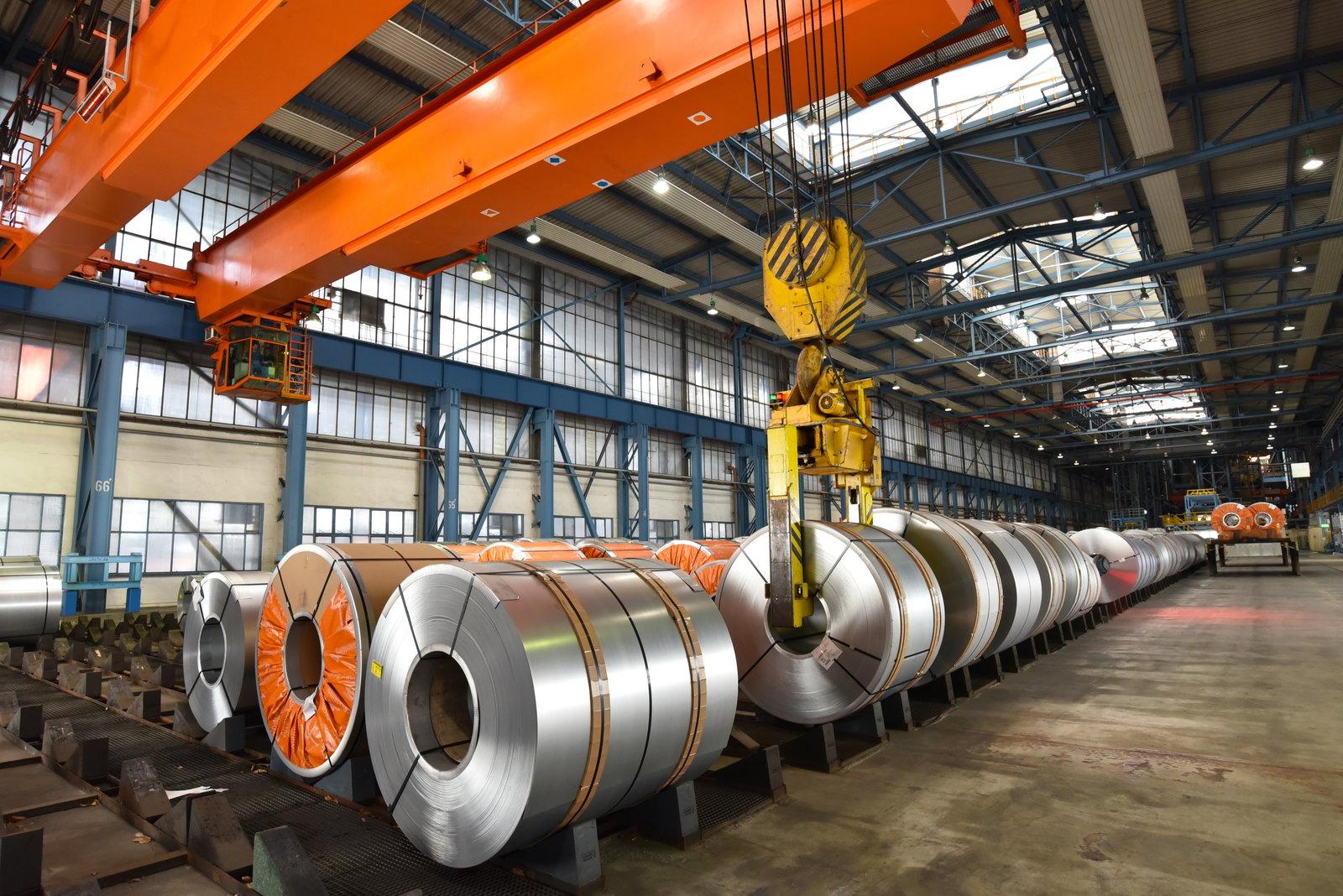
Packaging belongs in this discussion. Coils and sheet need an agreed approach to moisture protection, lifting and storage. Long products require attention to bundles and length restrictions. Ask for current carrier acceptance, schedule validity and terms covering delays.
Before reserving a production slot, establish whether payment is feasible with the financial institutions involved. Record the payment milestones, supporting shipping documents and refund conditions. Both sides should understand what happens if a necessary step cannot be completed.
Consider two offers for the same coil
Suppose one seller specifies protective packaging and an agreed thickness tolerance. The other quotes a lower price but leaves both points open. You don’t yet have enough information to choose.
List the missing details and ask for written confirmation. Then compare specification, usable quantity, inspection evidence, delivery timing and total delivered cost. Bring your production team into the discussion: a coil that sounds suitable in a sales description might still be wrong for your forming equipment or surface requirements.
That small amount of work before ordering can prevent a much longer argument after delivery.
Establish whether the transaction can proceed
Sanctions are a material part of trading steel with Iran. OFAC explains that Executive Order 13871 authorizes sanctions concerning Iran’s iron and steel sectors, including certain significant transactions in their products and related financial activity. Non-US participants can face exposure as well. [8]
Have qualified counsel assess the goods, parties, ownership, destination, end use, transport and payment arrangements under the applicable jurisdictions, and obtain any required authorizations. Screening a company name alone is insufficient; using a non-dollar currency doesn’t remove the need for review.
Do this early enough to inform your commercial decision, before committing money or production capacity.
Start with the question your business needs answered
You may already know the product you want and simply need to identify relevant companies. IXPORT’s Customer Directory includes a steel category that can help you begin a shortlist. Check each company’s current activities and capabilities as you qualify potential partners. A directory entry is a starting point for that work. [9]
For suppliers looking for customers in Iran, being understood is another part of the challenge. Iran Gateway offers a Persian-language company presence and a way to receive cooperation inquiries. A useful profile explains your applications, technical documentation and available support, helping prospective customers see where your products might fit. [10]
Where are you in that process? Tell IXPORT whether you’re exploring demand, looking for contacts or preparing a purchase inquiry. We can start the conversation with the question that matters to your business.
What to include in your first steel inquiry
You don’t need a lengthy presentation. A clear request for quotation should cover:
- Your company, destination country and intended application.
- Product, grade, standard and required edition.
- Dimensions, tolerances, finish and packaging.
- Trial quantity, expected repeat volume and delivery window.
- Certificates, tests and inspection requirements.
- Delivery point and preferred Incoterms® rule.
- Relevant import approvals and transaction constraints.
Add your main priority, whether that’s surface quality, consistent chemistry, delivery reliability or total cost. It helps the recipient give you a relevant answer.
Questions buyers ask
Can I source every steel grade from Iran?
Availability needs to be checked product by product, including the producer’s capability, current supply and acceptance in your destination market.
Why does Iran import steel when it produces so much?
Total output doesn’t cover every combination of grade, dimensions, processing and delivery timing. Those individual requirements are where market research becomes useful.
How do I get a meaningful export price?
Request a dated quotation against your specification and quantity, with delivery terms, validity and payment conditions. A general price per tonne leaves too many questions unanswered.
What if I’m still researching the market?
Tell us your industry, destination and what you hope to buy or sell. Even an initial conversation becomes more useful when it starts with a specific commercial question.
References
- World Steel Association, World Steel in Figures 2026, country production, DRI, apparent use and trade tables. https://worldsteel.org/data/world-steel-in-figures/world-steel-in-figures-2026/
- Reuters, 27 April 2026, Iran suspends exports of steel slabs and sheets until end of May. Historical restriction; present status not established by this report. https://www.reuters.com/world/middle-east/iran-suspends-exports-steel-slabs-sheets-until-end-may-2026-04-27/
- World Steel Association, Glossary, product and production definitions. https://worldsteel.org/about-steel/glossary/
- International Maritime Organization, IMSBC Code overview and Resolution MSC.462(101). Use the currently applicable cargo schedule for shipment planning. https://www.imo.org/en/ourwork/safety/pages/cargoesinbulk-default.aspx ; https://wwwcdn.imo.org/localresources/en/KnowledgeCentre/IndexofIMOResolutions/MSCResolutions/MSC.462%28101%29.pdf
- ASTM, A615/A615M-16 public scope. Cited to identify the standard family, not as the current required edition. https://store.astm.org/a0615_a0615m-16.html
- World Customs Organization, HS 2022, Chapter 72. https://www.wcotradetools.org/en/harmonized-system/2022/en/1572
- International Chamber of Commerce, Incoterms® 2020 and CIF/CIP explanation. https://iccwbo.org/business-solutions/incoterms-rules/incoterms-2020/ ; https://academy.iccwbo.org/incoterms/article/incoterms-2020-cip-or-cif/
- US Treasury, OFAC FAQ 666, Executive Order 13871. https://ofac.treasury.gov/faqs/666
- IXPORT, Customer Directory. https://ixporten.com/customer-directory/
- IXPORT, Iran Gateway. https://ixporten.com/iran-gateway/
Comments