

Sea Freight from Iran
Sea Freight from Iran to Other Countries: Costs, Preparation, and Customs

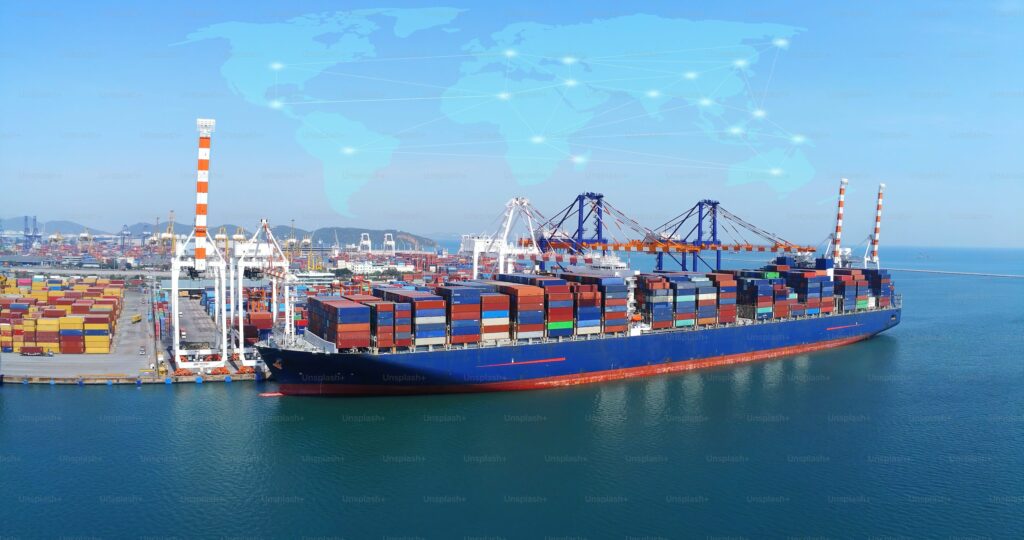
Sea freight is one of the most commonly used methods for transporting goods internationally. It involves the movement of cargo across oceans and seas, using large vessels. Iran, with its extensive coastline along the Persian Gulf and the Caspian Sea, plays a significant role in global trade, exporting a variety of goods such as oil, carpets, agricultural products, and handicrafts. This document will cover the key aspects of sea freight from Iran to other countries, including the costs, the necessary steps for preparing goods, how to send items from Iran’s ports, and the customs procedures involved.
1. Costs of Sea Freight
The cost of sea freight is influenced by several factors, including the type of goods being transported, the distance between the departure and destination ports, the size and weight of the shipment, and the service provider. Below are the primary components of sea freight costs:
1.1 Freight Charges: This is the basic cost for shipping goods from one port to another. Freight rates are usually calculated based on the volume (measured in cubic meters) or weight (measured in kilograms) of the cargo.
1.2 Port Charges: Ports charge fees for the use of their facilities, including docking, loading and unloading, storage, and handling of cargo. These charges can vary significantly depending on the port.
1.3 Shipping Insurance: It is advisable to insure cargo during sea transport to protect against potential risks such as theft, damage, or loss.
1.4 Customs Duties and Taxes: Different countries impose duties and taxes on imported goods, which should be accounted for when calculating the overall shipping cost.
1.5 Additional Services: Extra services such as packaging, labeling, or specific handling requirements may incur additional charges.
2. Preparing Goods for Sea Freight
Before shipping goods by sea, it is crucial to ensure that they are properly prepared and packed to avoid damage during transit. Below are the key steps to prepare goods for sea freight:
2.1 Packaging: Proper packaging is essential to protect goods from potential damage during handling, loading, and transit. Goods should be securely packed using sturdy materials such as wooden crates, pallets, or containers.
2.2 Labeling: Every package must be clearly labeled with necessary shipping information, including the destination address, handling instructions, and the contents of the shipment. Labels should be durable and legible.
2.3 Documentation: In addition to the shipping labels, certain documents are required for customs clearance, such as the commercial invoice, packing list, bill of lading, certificate of origin, and insurance documents.
2.4 Checking Weight and Dimensions: It is important to accurately measure and weigh the cargo to ensure that it fits the space on the vessel and that the correct freight charges are applied.
3. Shipping from Iran’s Ports
Iran has several major ports that are used for international sea freight, including the Port of Bandar Abbas, the Port of Khorramshahr, and the Port of Amirabad. Here is a general overview of the shipping process from these ports:
3.1 Booking a Vessel: Once the cargo is ready, the first step is to book a vessel with a shipping line or a freight forwarder. The booking should specify the type of goods, the size, and the destination port.
3.2 Export Documentation: Exporters must ensure that all required export documentation is submitted, including the export declaration, bill of lading, and other certificates. This will be necessary for customs clearance in both the origin and destination countries.
3.3 Customs Clearance: Before the cargo can leave Iran, it must clear Iranian customs. This involves submitting the appropriate paperwork, paying any applicable duties, and having the goods inspected if required.
3.4 Loading and Transport: After customs clearance, goods are transported to the port and loaded onto the vessel. Port authorities and freight forwarders coordinate this process to ensure the safe loading of goods.
4. Customs Procedures
Customs procedures are a critical part of international shipping. These procedures vary between countries but generally involve the following steps:
4.1 Import Declaration: Once the cargo arrives at the destination port, an import declaration must be submitted to the local customs authorities. This document contains details of the goods, their value, and their classification under the Harmonized System (HS).
4.2 Payment of Duties and Taxes: Customs duties and taxes must be paid before the goods are released. The rates vary depending on the product type and the country’s import policies.
4.3 Inspection: In some cases, customs authorities may inspect the goods to ensure they comply with local regulations and that the documentation matches the cargo.
4.4 Release of Goods: Once the duties are paid and customs clearance is completed, the goods are released and can be delivered to the final destination.
5. Conclusion
Sea freight is an essential component of global trade, and understanding the costs, preparation, and customs procedures involved in shipping goods from Iran to other countries is crucial for a successful export business. By following the steps outlined in this document, exporters can ensure that their shipments are efficiently processed and comply with international regulations.